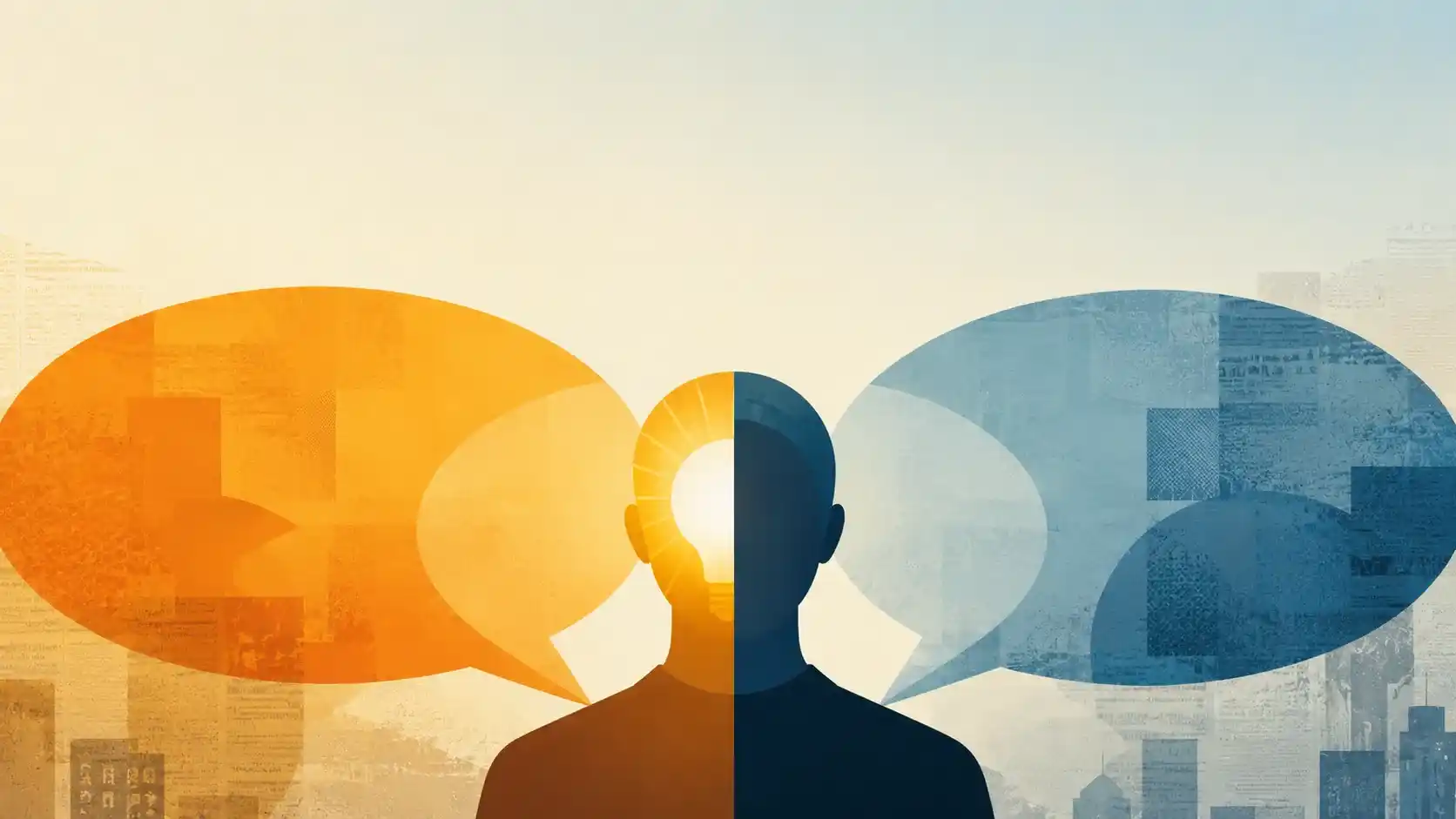
You hear the word everywhere — on the news, in comment sections, at family dinners — and half the time nobody agrees on what it means. That confusion causes real arguments between people who actually want the same thing: to understand each other. This guide breaks down what does woke mean, where it came from, and how it changed, so you can use it accurately and follow the debate with confidence.
What Does Woke Mean? Quick Answer
In simple terms, what does woke mean comes down to this: woke describes being alert and attentive to injustice, especially racial and social injustice. The word started as a way to say “I see what’s happening, and I’m paying attention.”
Today the word carries two very different meanings depending on who says it:
- A positive meaning: being socially conscious, informed, and willing to speak up for fairness.
- A critical meaning: being overly focused on identity politics, performative activism, or excessive political correctness.
Both meanings are common in 2026. Neither one is “the” official definition — context decides which one applies.
The Origin of the Word Woke
To really answer what does woke mean, you have to start with Black American history, not modern politics. The word grew out of African American Vernacular English (AAVE), where it has been documented since at least the 1930s.
Folk singer Lead Belly used the phrase “stay woke” in a 1938 recording, warning Black listeners to stay alert in dangerous, racially hostile situations. In 1962, journalist William Melvin Kelley wrote an essay in The New York Times titled “If You’re Woke You Dig It,” which explored Black slang moving into wider American speech.
By the late 1960s, civil rights activists like Stokely Carmichael used “woke” to describe racial awareness — the ability to recognize systemic discrimination that others might miss or ignore. The word carried real weight. It meant survival, not a slogan.
How Woke Moved From AAVE Into Mainstream English
The word stayed mostly inside Black communities for decades. That changed fast after 2012.
Following the death of Trayvon Martin and the rise of the Black Lives Matter movement in 2013–2014, the phrase “stay woke” became a rallying cry on social media. A significantly larger, more diverse audience was exposed to the concept thanks to the hashtag #staywoke.
Once that happened, the meaning started to stretch. People began applying “woke” not just to racial justice but to gender equality, LGBTQ+ rights, climate awareness, and other social justice causes. This is the moment the word left AAVE and became part of general American English — for better and for worse.
Woke Meaning Timeline
Here’s a clear breakdown of how the definition shifted over time.
| Period | How “Woke” Was Used | Meaning at the Time |
| 1930s–1960s | AAVE community speech, civil rights circles | Alert to racial danger and injustice |
| 1962 | New York Times essay by W. M. Kelley | Documented Black slang entering mainstream press |
| 1970s | Black political and cultural commentary | Awareness of systemic racism |
| 2008 | Erykah Badu’s song “Master Teacher” | Popularized “stay woke” as a lyric and mantra |
| 2014 | Black Lives Matter movement, #staywoke | Broader social justice awareness |
| 2017 | Added to the Oxford English Dictionary | Officially recognized as mainstream English |
| 2018–2022 | Widened to gender, LGBTQ+, and political debates | Split into positive and critical usage |
| 2023–2026 | Legislation, business, education, media debates | Politically loaded term used by both sides |
This table shows exactly why what does woke mean is such a moving target — the word simply hasn’t stayed still.
What Does Woke Mean in Politics Today?
In current political conversation, “woke” rarely means the same thing to both sides of an argument.
Progressive and left-leaning speakers generally use it to describe:
- Awareness of racial, gender, or economic inequality
- Support for inclusive policies and representation
- A willingness to question traditional power structures
Conservative and right-leaning speakers generally use it to describe:
- Excessive political correctness
- Performative activism without real-world results
- Identity-based decision-making in hiring, media, or education
Both groups are talking about the same word, but they’re pointing at very different behaviors. That gap is the real source of most “woke” arguments online and offline.
Positive Meaning of Woke vs Negative Meaning of Woke
Understanding what does woke mean requires separating the word from the feelings attached to it.
Positive meaning:
- Paying attention to injustice instead of ignoring it
- Defending those who are subjected to unfair treatment
- Staying informed about social and political issues
Negative meaning:
- Judging others harshly for minor missteps (“cancel culture”)
- Prioritizing symbolic gestures over practical solutions
- Using activism as a personal brand rather than genuine belief
Most everyday disagreements about the word come from people picking one of these two definitions and assuming everyone else means the same thing.
Woke vs Political Correctness — What’s the Difference?
These two terms get mixed up constantly, but they aren’t identical.
The primary component of political correctness is language, namely the use of words that do not offend. Woke, on the other hand, is broader. It covers actions, beliefs, and awareness, not just vocabulary choices.
A person can be politically correct in speech without being considered “woke,” and a person can be called “woke” even if their language is casual or blunt. The overlap exists, but the two terms describe different layers of behavior.
Common Examples of “Woke” in Everyday Use
The definition clicks more quickly when the word is used in actual phrases.
- “That company went woke after changing its logo for Pride Month.”
- “She stayed woke about local politics and voted in every election.”
- “Critics called the movie’s casting an example of woke culture.”
- “He said staying informed on social issues keeps him woke.”
Notice how the tone — supportive or sarcastic — changes the meaning far more than the word itself does.
Why Is “Woke” Such a Controversial Word?
Three factors explain why the term causes so much friction.
- It changed meaning fast. A word that shifts from a specific community phrase to a mainstream political label in under a decade is bound to create confusion.
- Both sides claim ownership. Supporters see it as a badge of awareness; critics see it as an insult. Nobody agreed on the rules.
- Media and legislation amplified it. Laws like Florida’s “Stop W.O.K.E. Act” turned the word from slang into a legal and political flashpoint, pushing it into headlines nationwide.
Once a word becomes a political weapon, its original meaning gets harder to hear over the noise.
Woke Culture in Media, Business, and Education
The term now shows up far outside casual conversation.
- Media and entertainment: Studios face pressure over diverse casting, storylines, and representation, with audiences split on whether these choices reflect genuine inclusion or marketing.
- Business: Depending on the results, companies that modify their employment, branding, and diversity practices risk being called “woke” by detractors or commended by supporters.
- Education: Schools and universities debate how much attention curricula should give to race, history, and social justice topics, with “woke” used by both sides of the policy fight.
Each of these arenas shows the same pattern: the label sticks to almost any decision tied to identity, fairness, or representation.
How Dictionaries Define Woke
Major dictionaries have tried to keep up with the shifting meaning, and their entries are genuinely useful when you want a neutral answer to what does woke mean.
Merriam-Webster defines it as being aware of and actively attentive to important facts and issues, especially issues of racial and social justice, and notes it is now also used as a general insult for people seen as politically left-leaning.
The Oxford English Dictionary added the word in 2017, describing it as originally meaning “well-informed” and now chiefly meaning alert to racial or social discrimination and injustice.
Dictionaries don’t take sides — they simply record how people actually use the word, which is exactly why they’re a reliable starting point.
Is Being Woke a Good Thing or a Bad Thing?
To be honest, it totally depends on who is asking and what behavior they are describing.
Awareness of injustice, informed voting, and standing up for fair treatment are widely seen as positive traits, regardless of what label you put on them. Performative outrage, public shaming over small mistakes, or judging people without context tend to draw criticism from nearly everyone, left or right.
The healthiest approach: judge the specific action, not the label. Wokeness as a buzzword rarely tells you anything useful on its own.
How to Use “Woke” Correctly in a Sentence
If you want to use the word accurately, keep these guidelines in mind:
- Use it as an adjective describing awareness: “He’s woke to how the system works.”
- Avoid using it as a blanket insult without specifying what behavior bothers you.
- Remember tone matters — the same sentence can sound sincere or sarcastic depending on delivery.
- When writing formally, define your intended meaning up front to avoid confusion.
Clarity beats cleverness here. A well-defined sentence prevents the kind of misunderstanding that surrounds this word.
FAQs
1. What does woke mean in simple terms?
Being conscious of and sensitive to racial and social injustice is what it means to be woke. It started as a positive term for staying alert to unfair treatment and later picked up a critical meaning used by people who feel the concept has gone too far.
2. Where did the word woke originally come from?
It comes from African American Vernacular English, with documented use since at least the 1930s. Civil rights activists used it in the 1960s and 1970s to describe awareness of systemic racism.
3. Is woke a positive or negative word?
It’s both, depending on the speaker. Supporters use it to praise social awareness; critics use it to describe excessive political correctness or performative activism.
4. What’s the difference between woke and politically correct?
Political correctness focuses on careful word choice, while woke covers a broader range of beliefs, actions, and social awareness beyond just language.
5. When did woke become a political term?
The shift accelerated after 2014, when the Black Lives Matter movement and the hashtag #staywoke pushed the word into mainstream political conversation.
6. Is “woke” in the dictionary?
Yes. Merriam-Webster and the Oxford English Dictionary both added official entries, with Oxford including the word in 2017.
Conclusion
So, what does woke mean? It started as a Black community phrase about staying alert to injustice, spread through activism and social media, and now carries two competing meanings depending on who’s using it. Understanding both sides of the word helps you read the news, follow debates, and hold conversations without confusion.
Next time you hear “woke” in a headline or an argument, pause and ask which meaning the speaker intends. That one habit will make you far more informed than most people in the conversation. Share this guide with anyone who’s ever asked you what the word actually means.