You have probably seen the phrase in a forum thread, a social media bio, or a conversation you weren’t supposed to overhear. Then you searched for it, and half the results dodged the question.
A rope bunny is a person who enjoys being tied with rope, usually in the context of shibari or rope bondage. That’s the short answer. The longer one explains where the term came from, what the role involves, and why the safety side matters more than most people expect.
What Does “Rope Bunny” Mean?
The rope bunny meaning is simple on the surface. It describes the person on the receiving end of rope work, the one being tied, rather than the one doing the tying.
The word “bunny” is affectionate and playful. It suggests someone who is enthusiastic and a little tender, and it has nothing to do with the animal.
A Label From Community Culture
The term grew out of Western rope communities, where people needed casual shorthand for roles at meetups and workshops. It stuck because it sounds friendly rather than clinical.
Not everyone uses it. Some people find it cutesy and prefer “rope bottom,” “model,” or “receiver.” Always ask what someone prefers before labeling them.
It Is Not Automatically Sexual
Many people assume rope play always means sex. It doesn’t. For plenty of practitioners, rope is about connection, trust, art, or a meditative headspace.
Some rope bunnies describe the experience as closer to a long massage or a deep-focus hobby than anything erotic. Others do blend rope with intimacy. Both are valid, and the difference should be negotiated in advance.
Rope Bunny vs. Rigger: The Two Roles
Rope work usually involves two roles, and they depend on each other.
| Feature | Rope Bunny (Bottom) | Rigger (Top) |
| What they do | Is tied, communicates sensations | Ties, monitors the person |
| Main responsibility | Speaking up about pain, numbness, or discomfort | Watching body signals and adjusting ties |
| Skills needed | Body awareness, honest communication | Knot technique, anatomy knowledge, calm under pressure |
| Alternative names | Rope bottom, model, receiver | Rope top, tier, Nawashi (in the Japanese tradition) |
Some people switch between roles. They’re called “switches,” and they often become better riggers because they know how each tie feels from the inside.
Where Rope Bondage Comes From
Modern rope bondage is often called shibari in the West, though many Japanese practitioners prefer kinbaku, which roughly means “beautiful binding.”
Hojojutsu: The Historical Roots
The style traces back to hojojutsu, a Japanese martial art of restraining prisoners with rope during the Edo period. Different knots and patterns signaled rank and crime.
Over time, artists and performers reshaped those techniques into an aesthetic practice. Kinbaku as we know it took shape in the 20th century.
The Global Spread
Today, rope communities exist worldwide, with classes, festivals, and online groups. Many teachers stress that the culture around the practice deserves the same respect as the technique.
What a Rope Bunny Actually Experiences
Outsiders picture drama. The reality is often quieter.
Physical Sensations
- Firm, even pressure across the arms, torso, or legs
- Warmth as the rope settles against the skin
- Occasional tingling, which is a signal to speak up
- A feeling of being held in place, which some find calming
Mental and Emotional Effects
Many rope bunnies describe a slow, focused state where outside worries fade. Some call it a “rope high.” Others find the trust involved more meaningful than the tie itself.
Not everyone gets this. Some people try rope once and decide it isn’t for them. That’s a fine outcome.
Rope Bunny Safety: What Every Beginner Must Know
This is the section that separates a good experience from an emergency room visit. Rope is physical, and bodies have limits.
The Non-Negotiables
- Talk before you tie. Discuss limits, injuries, medical conditions, and what each person wants.
- Agree on a safe word or signal. Pick one that works even if speech becomes difficult, like a dropped object or a set hand gesture.
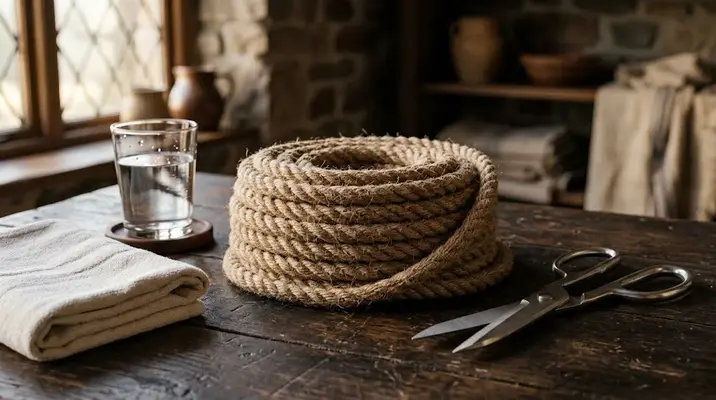
- Keep safety shears within reach. Rope can be cut in seconds. Knots can’t be untied that fast.
- Never leave a tied person alone. Not for a minute.
- Avoid the neck. Rope around the throat is a serious risk, and beginners should stay far away from it.
Warning Signs to Act On Immediately
- Pins and needles or numbness in the hands or fingers
- Skin turning pale, blue, or unusually cold
- Sharp or shooting pain, as opposed to steady pressure
- Dizziness, nausea, or trouble breathing
If any of these appear, loosen or cut the rope right away. Nerve damage, especially in the arms, can take months to heal and sometimes doesn’t heal fully.
Learn From Real People
Books and videos help, but in-person workshops teach you what a bad tie feels like. Look for local rope events, and choose instructors who talk about risk openly.
Common Myths About Rope Bunnies
The stereotypes are loud. The reality is more ordinary.
“Rope Bunnies Are Powerless”
Being tied doesn’t remove a person’s agency. A good rope bunny holds the veto at all times, and a good rigger treats that veto as final.
“Only Certain People Do This”
Rope communities include people of every age, gender, and background. Professions range from nurses to software engineers to teachers.
“It Is Always Dangerous”
Any physical activity carries risk. Rope done with training, communication, and the right tools is manageable, but rope done carelessly is not.
How to Start as a Curious Beginner
If the idea interests you, take it slowly. Curiosity is fine, and rushing is where problems begin.
- Read up on the culture and history first.
- Attend a beginner class or a community meetup as an observer.
- Practice communication with a trusted partner before any rope touches skin.
- Start with simple ties on arms or legs, and skip suspension entirely at first.
- Use soft, purpose-made rope rather than hardware-store cord.
FAQs
What is a rope bunny in simple words?
A rope bunny is someone who enjoys being tied up with rope in a consensual, planned setting. The term usually appears in shibari and rope bondage communities.
Is being a rope bunny the same as being submissive?
Not always. Some rope bunnies identify as submissive, but many don’t. Rope can be about art, sensation, or trust without any power exchange.
Is rope bunny an offensive term?
Most people use it affectionately, but some dislike it. Asking someone how they prefer to be described is the safest approach.
Can someone be a rope bunny and a rigger?
Yes. People who do both are called switches. Many riggers recommend trying the bottom role to learn how ties actually feel.
Is rope bondage safe for beginners?
It can be, with training and precautions. Avoid the neck, skip suspension until you’ve had proper instruction, and keep cutting shears nearby.
What kind of rope do people use?
Most use natural fibers like jute or hemp, or soft synthetic rope, usually 6 mm in diameter. Prepared rope is smoother and gentler than untreated cord.
Where did the word “shibari” come from?
Shibari is a Japanese word meaning “to tie.” Its use for rope bondage is largely a Western habit, while kinbaku is the term many Japanese practitioners prefer.
The Real Takeaway
The rope bunny meaning comes down to the person receiving the rope, but the role carries more weight than the label suggests. Good rope play depends on honest talk, careful technique, and mutual respect.
If you’re curious, learn from experienced people, start slow, and treat your own limits as non-negotiable. The rope is the easy part. The trust around it is what makes it work.