You opened your blood test results and spotted an unusually low MCH number. That single line on the lab report can trigger worry, especially when you have no idea what it signals about your body. Learning exactly what mch low means removes the guesswork and helps you act quickly alongside your doctor to protect your health.
What Does MCH Low Mean in a Blood Test?
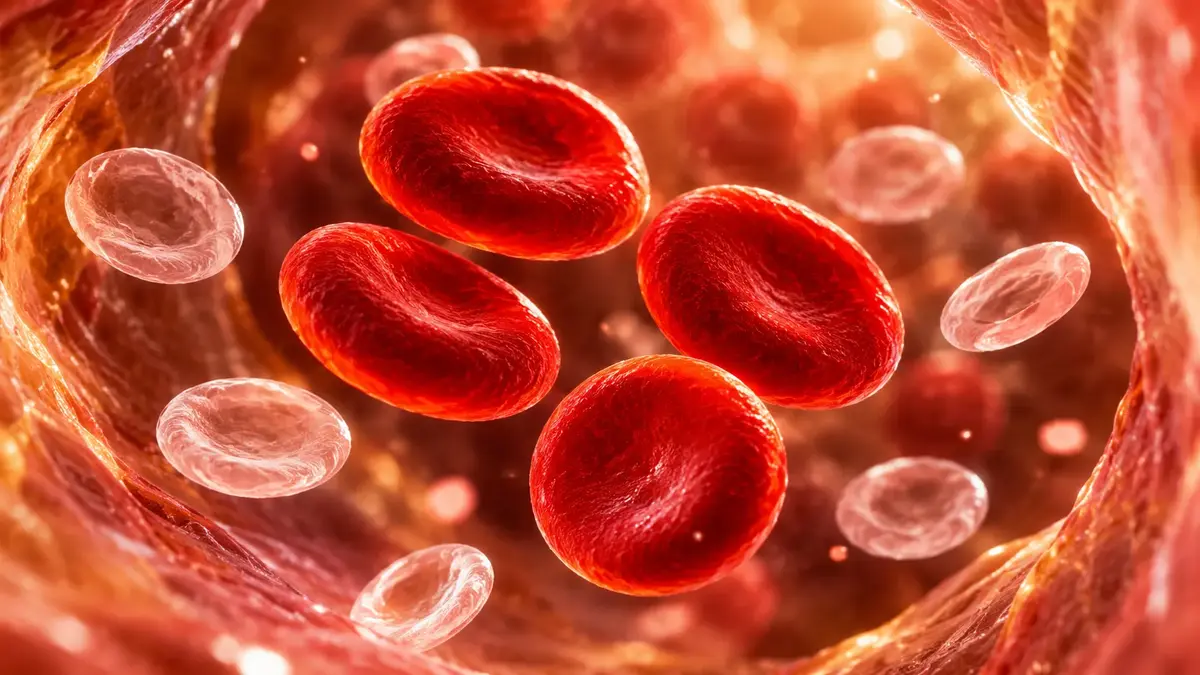
MCH stands for Mean Corpuscular Hemoglobin. This measurement tells you the average amount of hemoglobin packed inside each red blood cell.The protein called hemoglobin transports oxygen from your lungs to all of your body’s tissues.
When mch low means your red blood cells contain less hemoglobin than they should, your body struggles to deliver adequate oxygen. Doctors typically spot this value during a standard Complete Blood Count (CBC) panel. A result below 27 picograms per cell generally flags a low reading.
The National Institutes of Health confirms that MCH values work alongside MCV and MCHC to paint a full picture of red blood cell health (source: NIH MedlinePlus — “Hemoglobin Blood Test”).
Normal MCH Range vs Low MCH Levels
Healthy adults usually fall between 27 and 33 picograms per cell. Anything under 27 pg triggers a low flag on your lab report. Children and pregnant women may have slightly different reference ranges, so always compare your numbers against the specific range your lab provides.
Here is a quick breakdown of what mch low means when you compare it to normal and high values:
| MCH Category | Picograms per Cell | What It Tells Your Doctor |
| Below Normal (Low) | Less than 27 pg | Red blood cells carry too little hemoglobin |
| Normal Range | 27 – 33 pg | Healthy hemoglobin content per cell |
| Above Normal (High) | More than 33 pg | Red blood cells carry excess hemoglobin |
A single low reading does not always confirm a disease. Before making any judgments, your doctor will examine the complete CBC picture, which includes the red blood cell count, MCV, and MCHC.
Why Is My MCH Low? Top Causes Explained
Several conditions push MCH numbers downward. The most frequent culprit is iron deficiency. Without enough iron, your bone marrow cannot produce hemoglobin at normal rates, and each red blood cell ends up smaller and paler than it should be.
Other common causes include:
- Thalassemia: A genetic condition that disrupts hemoglobin production from birth.
- Chronic blood loss: Heavy menstrual periods, gastrointestinal bleeding, or frequent blood donation drain iron stores over time.
- Chronic kidney disease: Damaged kidneys produce less erythropoietin, a hormone that stimulates red blood cell creation.
- Lead poisoning: Lead interferes with the enzymes your body uses to build hemoglobin.
- Malnutrition: Diets lacking iron, folate, or vitamin B6 starve the blood-building process.
When mch low means your body struggles to manufacture hemoglobin, pinpointing the exact cause matters more than the number itself. Treatment changes completely depending on whether iron deficiency, a genetic trait, or a chronic illness sits behind the result.
MCH Low Means Iron Deficiency — Is That Always True?
Many people assume that mch low means iron deficiency without exception. While iron deficiency accounts for the majority of low MCH cases worldwide, it is not the only explanation. Thalassemia trait, for instance, produces nearly identical lab patterns but requires no iron supplementation at all.
Over time, taking iron when your body already has enough stored might harm your joints and liver. The American Society of Hematology advises patients to confirm iron deficiency through a ferritin test before starting supplements (source: American Society of Hematology — “Iron Deficiency Anemia”).
Ask your doctor for a full iron panel that includes serum iron, total iron-binding capacity (TIBC), and ferritin. These three markers together reveal whether iron deficiency truly drives your low MCH or whether another cause deserves attention.
Symptoms That Signal Your MCH Is Too Low
Your body sends clear warning signs when red blood cells fail to carry enough oxygen. The earliest symptom most people notice is persistent fatigue that does not improve with rest. You may also experience:
- Pale skin, especially around the gums and inner eyelids
- breathing difficulties when engaging in mild activities, such as climbing stairs
- Cold hands and feet even in warm rooms
- Frequent headaches or lightheadedness
- A rapid or irregular heartbeat
- Brittle nails that chip or spoon inward
Every organ is affected since a low oxygen level results in less oxygen reaching your tissues. Your brain gets foggy, your muscles tire faster, and your heart works harder to compensate. If you recognize three or more of these symptoms alongside a low lab result, schedule a follow-up appointment promptly.
How Doctors Diagnose Low MCH Levels
Diagnosis starts with a Complete Blood Count. This routine blood draw measures your red blood cell count, hemoglobin concentration, hematocrit, MCV, MCH, and MCHC all at once. A single abnormal MCH value rarely tells the whole story.
Your doctor will typically order additional tests to identify the root cause:
- Serum ferritin to check iron storage levels
- Peripheral blood smear to examine cell shape and color under a microscope
- Hemoglobin electrophoresis to screen for thalassemia or sickle cell variants
- Reticulocyte count to measure how fast your bone marrow produces new red blood cells
- Kidney function panel to rule out chronic kidney disease
The Mayo Clinic emphasizes that interpreting MCH in isolation can lead to misdiagnosis, so a comprehensive workup remains the gold standard (source: Mayo Clinic — “Complete Blood Count (CBC)”).
MCH Low vs MCHC Low — What Is the Difference?
These two abbreviations look similar but measure different things. MCH tells you the total hemoglobin weight inside one red blood cell. MCHC (Mean Corpuscular Hemoglobin Concentration) tells you how densely that hemoglobin is packed relative to the cell’s size.
Cells generally appear smaller and whiter when mch low, which indicates that each cell carries less hemoglobin overall. When MCHC is low, the hemoglobin inside each cell is diluted, even if the cell size stays normal. Both values can drop together in iron deficiency anemia, but they can also diverge in certain genetic conditions.
Understanding this distinction helps you ask smarter questions during your doctor’s visit and avoid confusing one measurement for the other.
Can Low MCH Cause Fatigue and Weakness?
Absolutely. Fatigue ranks as the number one complaint among patients with low MCH levels. When mch low means your cells transport less oxygen per trip, your muscles and brain receive an inadequate supply with every heartbeat. Your body compensates by increasing your heart rate and breathing speed, which drains your energy reserves even faster.
Many patients describe this fatigue as a heavy, full-body exhaustion that sleep does not fix. You might struggle to finish a workout you once handled easily or feel winded after carrying groceries inside. Once treatment restores hemoglobin levels, most people notice a dramatic improvement in stamina within four to eight weeks.
Foods and Supplements That Raise MCH Levels
Diet plays a direct role in hemoglobin production. If iron deficiency drives your low MCH, adding the right foods can move your numbers in the right direction within weeks. Focus on these iron-rich options:
- Heme iron sources (best absorption): Lean beef, chicken liver, turkey, clams, and oysters
- Non-heme iron sources: Spinach, lentils, chickpeas, tofu, pumpkin seeds, and fortified cereals
- Vitamin C pairings: Oranges, bell peppers, strawberries, and tomatoes boost iron absorption when eaten alongside iron-rich foods
Avoid drinking tea or coffee within an hour of iron-rich meals. The tannins in these beverages block iron absorption and can slow your recovery.
If your doctor confirms a deficiency, they may recommend an oral iron supplement such as ferrous sulfate or ferrous gluconate. Take it on an empty stomach with a glass of orange juice for maximum absorption. Expect mild stomach upset during the first week — this usually fades as your body adjusts.
When Should You Worry About Low MCH Results?
A mildly low MCH in an otherwise healthy person often corrects itself with dietary changes. However, certain situations demand faster medical attention. See your doctor right away if your low MCH accompanies:
- Hemoglobin below 10 g/dL
- Chest pain or difficulty breathing at rest
- Unexplained weight loss
- Blood in your stool or urine
- A history of sickle cell disease or thalassemia in the family
When mch low means a deeper problem like internal bleeding or bone marrow dysfunction, early detection saves lives. Do not ignore persistent abnormalities across multiple blood tests. A pattern of declining values over several months carries more weight than a single borderline reading.
Treatment Options for Persistently Low MCH
Treatment depends entirely on the underlying cause. Your doctor will tailor the plan after reviewing your full lab panel and medical history. Common approaches include:
- Oral iron therapy: First-line treatment for iron deficiency anemia, typically lasting three to six months.
- Intravenous iron infusions: Reserved for patients who cannot tolerate oral iron or who need faster replenishment, such as those with chronic kidney disease.
- Blood transfusions: Used in severe cases where hemoglobin drops to dangerously low levels.
- Vitamin B6 or folate supplements: Prescribed when deficiencies in these nutrients contribute to poor hemoglobin synthesis.
- Treating the root illness: Managing conditions like celiac disease, inflammatory bowel disease, or kidney failure often resolves the MCH problem on its own.
- Genetic counseling: Recommended for patients diagnosed with thalassemia who plan to start a family.
Never self-prescribe high-dose iron based on a single lab value. Excess iron accumulates in your organs and causes serious damage over time.
How Much Time Is Needed to Correct Low MCH?
Most patients with straightforward iron deficiency see their MCH levels improve within six to eight weeks of consistent treatment. Full recovery of iron stores, however, can take three to six months. Your doctor will likely recheck your CBC every four to six weeks to track progress.
When mch low means a chronic condition like thalassemia or kidney disease is involved, management becomes long-term rather than curative. In these cases, the goal shifts from “fixing” the number to keeping it stable and preventing complications.
Stay patient with the process. Red blood cells live roughly 120 days, so your body needs time to replace the old, hemoglobin-poor cells with new, healthy ones.
Take Control of Your Blood Health Today
Your MCH number is more than a random digit on a lab sheet. It reflects how well your body fuels every cell, muscle, and organ with oxygen. Now that you understand what your results signal, you hold the power to act.
Book a follow-up with your doctor, request a full iron panel, and start adding iron-rich foods to your meals this week. Small, consistent steps rebuild your hemoglobin levels faster than you think. Your vitality, concentration, and general health will appreciate it.