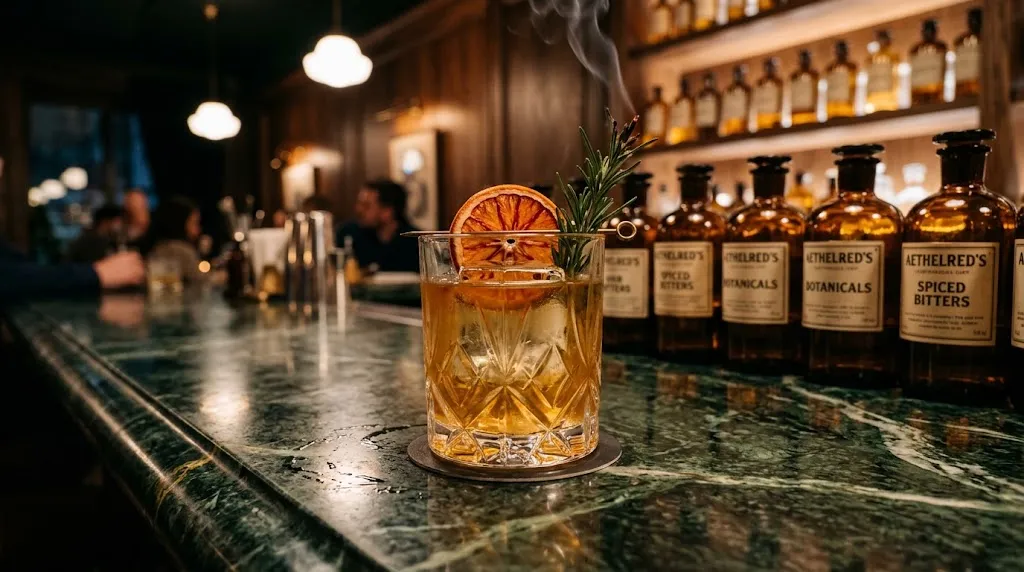
You glance at the cocktail list at a dimly lit lounge and notice a dedicated section labeled “Zero Proof.” Right below it, a blend of distilled botanicals, gentian root, and smoked citrus carries a steep $16 price tag.
Your initial reaction might be immediate skepticism. Paying craft-cocktail prices for what looks like upscale juice sounds like clever bar accounting.
Yet zero proof beverages are not juice, and they are certainly not glorified sodas.
Understanding the true zero proof meaning reveals a fascinating mix of culinary science, historic measurement systems, and a massive shift in how the world approaches social drinking.
The Historical and Technical Definition of Zero Proof
To grasp the concept of zero proof, you have to look at how alcohol potency was originally measured centuries ago. British sailors in the 1700s tested their rum rations by mixing liquid spirits with gunpowder and attempting to ignite the paste with a spark.
If the gunpowder flared up without sputtering out, it was considered undeniable “proof” that the spirit contained at least 57% alcohol by volume.
The United States later adapted this system into a straightforward mathematical scale. In modern American liquor laws, proof is simply twice the percentage of alcohol by volume (ABV).
An 80-proof bourbon contains 40% ABV, while a 100-proof rye carries 50% ABV.
Zero proof sits at the absolute zero of this historical scale. It describes a drink that measures exactly 0.0% alcohol by volume, leaving no room for ethanol content whatsoever.
When a menu or bottle claims zero proof, it makes a clear promise: you are drinking a beverage crafted with the depth of a spirit, but without any intoxicating chemicals.
Zero Proof vs Non-Alcoholic vs Mocktails: The Major Differences
The modern drink landscape is packed with overlapping terms that confuse even experienced restaurant guests. People frequently use “mocktail,” “non-alcoholic,” and “zero proof” interchangeably, but they represent entirely different things.
Understanding the distinctions between these groups helps you prevent undesired trace alcohol and safeguards your health objectives.
| Category | Typical ABV | Primary Base | Taste Profile |
| Zero Proof | Absolute 0.0% | Distilled botanicals and hydrosols | Bitter, dry, complex, aromatic |
| Non-Alcoholic (NA) | Up to 0.5% | Dealcoholized beer or wine | Fermented malt, hops, or grape must |
| Traditional Mocktail | 0.0% | Syrups, fruit juices, sodas | Sweet, sugary, fruity |
| Low-ABV / Session | 0.5% to 3.5% | Light beers, fortified aperitifs | Mild ethanol presence, watery finish |
The Problem With Sweet Mocktails
Mocktails rely almost entirely on sugar to deliver flavor. Traditional recipes combine sodas, sweetened fruit concentrates, and grenadine to fill a glass.
While they look festive, they lack the sophisticated bitterness, dryness, and complexity that make adult beverages enjoyable to sip slowly over a two-hour dinner.
The Non-Alcoholic Legal Loophole
Under food safety regulations in the United States and parts of Europe, drinks labeled “non-alcoholic” can legally contain up to 0.5% ABV.
This tiny amount appears naturally during brewing and dealcoholization processes. While 0.5% ABV will not cause intoxication, it is not completely free of ethanol.
The Strict Zero Proof Standard
Zero proof products deliberately hold the line at 0.0% ABV. Makers avoid traditional alcoholic fermentation from the start, building body and aroma through raw plant extracts instead.
This distinction makes zero proof the safest choice for pregnant individuals, people in recovery, or anyone who refuses even trace amounts of alcohol.
How Craft Distillers Build Spirits Without Alcohol
Alcohol is an incredible solvent that easily extracts flavor oils and carries aromatic compounds directly to your nose. When you remove ethanol from the equation, creating a satisfying drink becomes an intense chemical puzzle.
Master zero proof blenders have to invent new processing methods to capture aroma and texture using water alone.
Vacuum Extraction and Hydrosols
Standard distillation relies on extreme heat to boil liquids, which damages delicate ingredients like fresh rosemary, basil, or citrus peels.
Zero proof distillers use sealed vacuum chambers to lower atmospheric pressure inside the still. This allows water to boil and vaporize at room temperature.
The steam gently pulls essential oils and aroma compounds out of the plants without scorching them. The condensed liquid, known as a botanical hydrosol, captures pure, unburned plant flavors.
Simulating the Classic “Burn”
The toughest challenge in zero proof production is recreating the subtle heat that spirits leave on your palate. Alcohol naturally triggers heat receptors on your tongue and inside your throat.
To duplicate that sensation without ethanol, distillers use natural botanical irritants. Extracts from capsaicin, black pepper, ginger, and Szechuan peppercorns trick your nerve endings into sensing pleasant warmth.
This plant-based heat gives zero proof spirits their authentic “kick,” making them feel like genuine liquor in your mouth.
Why Is Zero Proof So Expensive?
One of the most common complaints about zero proof bottles is their retail price. Consumers often assume that without the cost of alcohol tax, these drinks should sell for cheap.
In reality, crafting high-end 0.0% spirits is often more labor-intensive than producing standard vodka or gin.
First, zero proof makers require massive quantities of raw, organic botanicals because water extracts oils far less efficiently than alcohol does. It takes pounds of raw spices just to yield a single bottle of concentrate.
Second, alcohol serves as a natural preservative that allows liquor to sit on shelves for decades without spoiling. Zero proof products contain no ethanol to kill bacteria.
Producers must invest in expensive sterile bottling lines, natural acids, and flash pasteurization to keep their products fresh and stable without ruining the fresh botanical taste.
Natural Alcohol in Everyday Foods vs Zero Proof
Most people do not realize that ordinary foods on their kitchen counters contain measurable traces of alcohol due to spontaneous natural fermentation.
| Everyday Item | Typical ABV Range |
| Ripe Banana with Brown Spots | 0.2% to 0.4% ABV |
| Fresh Sourdough Bread | 0.3% to 0.5% ABV |
| Unpasteurized Apple Juice | 0.1% to 0.3% ABV |
| Store-Bought Kombucha | 0.3% to 0.5% ABV |
| Certified Zero Proof Spirit | 0.0% ABV |
As the data shows, a slice of bakery bread or a ripe piece of fruit often carries more trace alcohol than a certified zero proof cocktail. This reality highlights just how remarkably pure true zero proof manufacturing really is.
5 Practical Reasons Zero Proof Drinks Are Thriving
The explosive demand for zero proof cocktails is not being driven solely by non-drinkers. Industry surveys show that over 80% of people buying 0.0% alternatives also purchase regular alcohol.
Drinkers are using zero proof options as a practical tool to upgrade their lifestyles without abandoning social rituals.
- Deeper Sleep: Alcohol fragments sleep patterns and ruins restorative REM rest. Switching to zero proof keeps your sleep cycles steady all night.
- Sharper Morning Workouts: Skipping evening alcohol prevents dehydration and muscle recovery stalls, letting you hit morning gym sessions without drag.
- Zero Social Awkwardness: Holding an artisan zero proof highball lets you blend into any party atmosphere without answering annoying questions about why you aren’t drinking.
- Calorie Reduction: Ethanol contains seven empty calories per gram. Zero proof cocktails cut out this hidden source of late-night calories completely.
- Total Driving Peace of Mind: You never have to calculate wait times, monitor drink counts, or hail expensive rideshare services to get home safely.
The Takeaway on the Zero Proof Movement
The zero proof meaning goes far beyond skipping a drink. It represents a fresh, creative branch of beverage design that treats non-drinkers with culinary respect rather than handing them a sugary soda.
Whether you are cutting back for health reasons, training for a race, or simply want a clear head tomorrow morning, zero proof gives you all the craft without any of the compromise.
Next time you spot zero proof options on a menu, order one with confidence. You get the complexity, the glass, and the ritual, leaving the downside of alcohol behind.